

overcoming suffering : ค้นหาหนังสือธรรมะ หน้า 3 / 3
หน้าหนังสือทั้งหมด
86
Understanding Craving and Suffering in Buddhism
ing after such wealth, even though it is acquired by honest
means, is still subject to suffering because it contains craving which is the origin of suffering. Even the craving for the
Brahmā-world and
This text delves into the concept of craving in Buddhism, emphasizing that even honest wealth can lead to suffering due to inherent craving. It discusses how aspirations for the Brahmā-world can trap
117
The Noble Truth of the Cessation of Suffering
The Noble Truth of the Cessation of Suffering: A Conclusion
The Lord Buddha taught that the cessation of suffering can
be effected by extinguishing all craving through the prac-
tice of the Noble Eigh
The conclusion on the cessation of suffering according to the Buddha highlights the need to extinguish craving through the Noble Eightfold Path. Once craving is eliminated, suffering cannot return. Ou
123
Understanding Suffering and the Subtle Human Body
wealth. As the majority of sorts of suffering concerns material things, having attained the subtle human body, the mind, being unified with the subtle human body, is safely withdrawn beyond the reach
This text discusses why most people suffer due to attachment to their physical bodies and possessions, despite intellectually understanding Buddha's teachings on impermanence. The author emphasizes th
219
Understanding Suffering and Enlightenment in Buddhism
Angelic Body 107, 122; defilements by attaining Dhammakaya 111 of 135
bemoaning, as suffering 47, 58, 71,
anger 135, 136, 137 199; relationship to sorrow and lam-
animal kingdom, suffering of birth en
This text delves into key Buddhist teachings regarding suffering, attachment, and the process of attaining enlightenment. It analyzes various forms of suffering, including the suffering associated wit
233
Exploring Suffering and Enlightenment in Buddhist Philosophy
dying 58, 67-9, 199; of exposure to third absorption 129, 130, 131
hateful things 71-2; of illness, 12, thought, discursive, sense 96, 100
46, 57, 66-7, {metaphors: donkey thought-conception: discursi
This text delves into the intricate themes of suffering and enlightenment within Buddhist teachings. It explores the various aspects of suffering, including its origins and manifestations, and the pat
12
The Noble Eightfold Path: Key Concepts and Insights
7 The Noble Truth of the Path to the Cessation of Suffering .................... 117
The Noble Eightfold Path 117 • Right View 118 • Right Intention 118 • Right Speech 118 • Right Action 118 • Right L
The Noble Eightfold Path is a fundamental Teaching of Buddhism aimed at overcoming suffering. It consists of eight essential practices: Right View, Right Intention, Right Speech, Right Action,…
22
Understanding the First Noble Truth
-- The First Noble Truth states that all conditioned existence is characterized by suffering or unsatisfactory condition.
-- Suffering exists. Birth, aging, sickness, death, discontentment, disappoint
The First Noble Truth explains that all conditioned existence is marked by suffering. This suffering encompasses various forms such as birth, aging, illness, and death. Essential concepts like attachm
59
Understanding the Noble Truths of Suffering
by reflecting on Suffering's meaning at 2, 3 and 4 in that
order. As for the the meaning at 2, even though it is con-
cerned with the Noble Truth of Suffering, it has implications
reaching to the Orig
The text reflects on the meanings of Suffering within Buddhism, particularly its Noble Truths. It discusses how the meanings related to Suffering connect with the Origin, Cessation, and the Noble Eigh
62
The Suffering of Birth: Understanding the Stages of Embryonic Development
The suffering of birth starts to affect beings without exception from the moment they are conceived. Some beings are fully equipped with sense spheres [āyatanā] from the moment they are born — others
The suffering of birth begins at conception and affects all beings. It varies by the mode of birth, with those born from the womb experiencing more suffering. Mammalian embryonic development shows cha
70
Understanding Suffering: The Dukkha of Illness and Dying
in its place. Even the Buddha and the enlightened ones are
subject to the suffering of illness — so who are we to over-
look the misery of illness?
4. Suffering as a result of Dying [marana dukkhā]
Al
This text delves into the concepts of suffering in Buddhism, particularly focusing on the pain associated with illness and the inevitable reality of death. It elucidates how all beings, including enli
90
Understanding the Pursuit of Happiness and the Cycle of Existence
Those who search for happiness via sense pleasure only
experience happiness at the moment before suffering mani-
fest itself. As soon as suffering becomes manifest, such peo-
ple are often so shocked
This text discusses the fleeting nature of happiness derived from sense pleasures and the inevitable suffering that follows. It compares individuals ensnared by cravings to a rabbit caught in a hunter
200
The Middle Way and the Four Noble Truths
3. Right Speech [Sammā Vācā]
4. Right Action [Sammā Kammanta]
5. Right Livelihood [Sammā Ājīva]
6. Right Effort [Sammā Vāyāma]
7. Right Mindfulness [Sammā Sati]
8. Right Concentration [Sammā Samādhi]
This text discusses the Middle Way as taught by the Tathāgata, emphasizing the importance of Right Speech, Action, Livelihood, Effort, Mindfulness, and Concentration as a means to attain insight and e
41
Untitled
Universal Goodness : 39
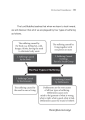
The Lord Buddha teaches that when we learn to look inward, we will discover that all of us are plagued by four types of suffering as follows.
The suffering caused by the body
No content provided to summarize.
86
OCR Ttext Not Provided
84 : Universal Goodness
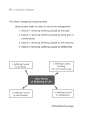
The Harm Caused by Unpunctuality
Unpunctuality leads to failure in one’s time management.
1. Failure in removing suffering caused by the body
2. Failure in removing suffer
No summary available as no content was provided for analysis. Please share the text for creating SEO elements.
226
Understanding Key Buddhist Concepts
Inention, Right (see Right Intention)
internment in the womb, suffering
irritation (see annoyance)
jealousy 50
jewel, wish-fulfilling - metaphor for Middle Way 39
jewel-knowing 110
joy 38, 123, 130
ka
This text delves into central Buddhist themes such as the nature of suffering, the importance of right intention, and the concept of liberation. Key metaphors like the jewel of knowledge and the lion
228
Understanding Nibbāna and the Noble Truths
natal wind 61
neighbourhood concentration 43,
neither-perception-nor-non-perception, absorption of 193
nibbāna, anupadisesa 21, 112, 114;
ayatana 21, 102, 112, 114; sa
upādisesa 21, 112, 113-4
Nirvana
This text delves into key concepts in Buddhist philosophy, particularly Nibbāna and the Noble Truths. It discusses the interrelation of teachings, the significance of practicing the Middle Way to atta
11
The Quest for Knowledge and Happiness
Preface
Why, since the existence of mankind, have we
unceasingly put all of our resources in order to search for
newer knowledge and technology? Taking this question back
to its roots, we will eventua
This preface discusses the fundamental reasons behind humanity's relentless pursuit of knowledge and technology. It highlights how ignorance leads to suffering and fear, emphasizing the need for knowl
178
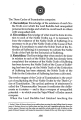
The Three Cycles of Examination in Buddhism
The Three Cycles of Examination comprise:
1. Saccānāna: Knowledge of the existence of each Noble Truth over which the Lord Buddha had unequaled personal knowledge and which he could teach to others wi
The Three Cycles of Examination define knowledge concerning the Noble Truths which the Lord Buddha taught. Saccānāna pertains to the knowledge of each truth’s existence; Kiccanānā addresses the necess
193
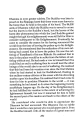
The Subtlety of Dhamma and the Buddha's Vocation
Dhamma in even greater subtlety. The Buddha was later to preach in the Simsapa forest that there were more leaves in the forest than he held in the palm of his hand. The 84,000 units of Dhamma which
The Buddha preached the concept of Dhamma, comparing his teachings to leaves in his hand versus the endless phenomena of enlightenment. He remembered his vow to end suffering, driven by compassion for
223
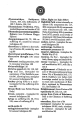
Exploring Dhammakāya and the Eightfold Path
Dhammakāya, Sotāpana: Effort, Right (see Right Effort)
Coarse, 108, 134; defilements of
Eightfold Path: arises internally as 136-7; Subtle, 108, 134
sphere 105; components 20, 117,
Dhammakāya Traditi
This text delves into the Dhammakāya tradition, highlighting key components of the Eightfold Path and its teachings on defilements, enlightenment, and the nature of suffering. Concepts are illustrated